Watching a bathroom go from dated and dysfunctional to clean and custom is one of the most satisfying transformations a home can get. But getting there takes more than picking out tile. Here is the full process, step by step, so you know exactly what to expect before the first hammer swings.
A bathroom remodel in Southeast Indiana follows a predictable sequence: planning and design (2-4 weeks), permitting (1-3 weeks), demo (1-3 days), rough-in (3-7 days), inspection, drywall and flooring (3-5 days), fixtures and finishes (3-7 days), and final punch list (1-2 days). Most projects take 3 to 8 weeks from start to finish. The single biggest factor in how smoothly it goes is whether you have all your materials selected and ordered before demo day.
Step 1: Know What You Want Before You Call Anyone
This sounds obvious. It is not what most people do.
Homeowners often call a contractor first and figure out what they want during the estimate. That is backwards. The more decisions you make upfront, the more accurate your estimate will be, and the fewer change orders will hit you mid-project.
Start by asking yourself what the remodel actually needs to solve. Is the layout broken? Is the vanity too small? Is the shower leaking? Is this a cosmetic update or a full gut? The answer changes the scope, the timeline, and the budget dramatically.
What to Pin Down Early
- Scope. Are you keeping the same footprint or moving walls? Keeping the toilet and vanity where they are saves thousands in plumbing rough-in work.
- Finish level. Are we talking builder-grade from a big-box store, semi-custom, or high-end custom cabinetry and imported tile? This is the single biggest cost driver.
- Must-haves vs. nice-to-haves. If a heated floor is non-negotiable, say so. If you would love a freestanding tub but could live without it, flag that too. Priorities help your contractor give you options at different price points.
- Inspiration. Gather photos. Not one or two — ten or fifteen. Patterns will emerge. You will notice you keep saving photos with navy vanities or matte black fixtures or mosaic floor tile. Share these with your contractor.
- Budget range. You do not need an exact number yet, but you should know your ceiling. A good contractor can tell you what is realistic within your range and what is not.

Step 2: Design, Measurements, and Permits
Once you have a rough vision, a contractor or designer will take detailed measurements of the existing space — every wall, every plumbing location, every door swing. These measurements drive the design.
For a straightforward remodel that keeps the same footprint, the design phase is usually 1 to 2 weeks. If you are moving walls, relocating plumbing, or reconfiguring the layout, expect 2 to 4 weeks. This is also when you select your materials: tile, flooring, vanity, countertop, fixtures, lighting, paint. Every selection should be locked in before the permit application goes in.
Permits in Dearborn County
In Southeast Indiana, a bathroom remodel that involves moving plumbing, adding electrical circuits, or altering load-bearing walls requires a permit. A cosmetic update — new vanity, new fixtures in the same locations, paint — typically does not. Your contractor should handle the permit process, but it is worth asking about during the estimate. Permit approval in Lawrenceburg and the surrounding areas usually takes 1 to 3 weeks depending on the scope and the township.
Step 3: Demo and Rough-In
Demo day is when the project finally feels real. The old vanity comes out. The flooring gets stripped. The shower surround — if you are replacing it — comes down to the studs.
Most bathroom demos take 1 to 3 days. If the subfloor is damaged or the wall behind the old shower has water damage, this is when you find out. A good contractor will have already warned you this is a possibility and built some contingency into the estimate.
"The most expensive surprises in a bathroom remodel are the ones hiding behind the walls. Water damage, outdated wiring, cast iron plumbing that needs replacing — we budget for the unknown because we have seen it too many times not to."
Once demo is done, rough-in begins. This is the framing, plumbing, and electrical work that happens before the walls are closed up. The plumber moves or adds supply lines and drain lines. The electrician adds new circuits, moves outlets, and wires for new lighting and exhaust fans. If you are adding a heated floor, the heating element gets laid now. Rough-in typically takes 3 to 7 days, and it is followed by a rough-in inspection before drywall can go up.
Step 4: Drywall, Flooring, and Tile
With rough-in approved, the walls get closed up. New drywall or cement board — the latter in wet areas — goes in. The walls get taped, mudded, and sanded. Then the floor goes down, followed by shower wall tile, tub surrounds, and any accent tile work.
Tile is slow work. A full shower surround with niche detailing can take 2 to 3 days on its own. Rushing tile work shows — uneven grout lines, lippage, crooked cuts. Let it take the time it takes.
This phase runs 3 to 5 days for a typical bathroom. If you have floor-to-ceiling tile or a complex mosaic pattern, add a day or two.
Step 5: Fixtures, Finishes, and the Details That Matter
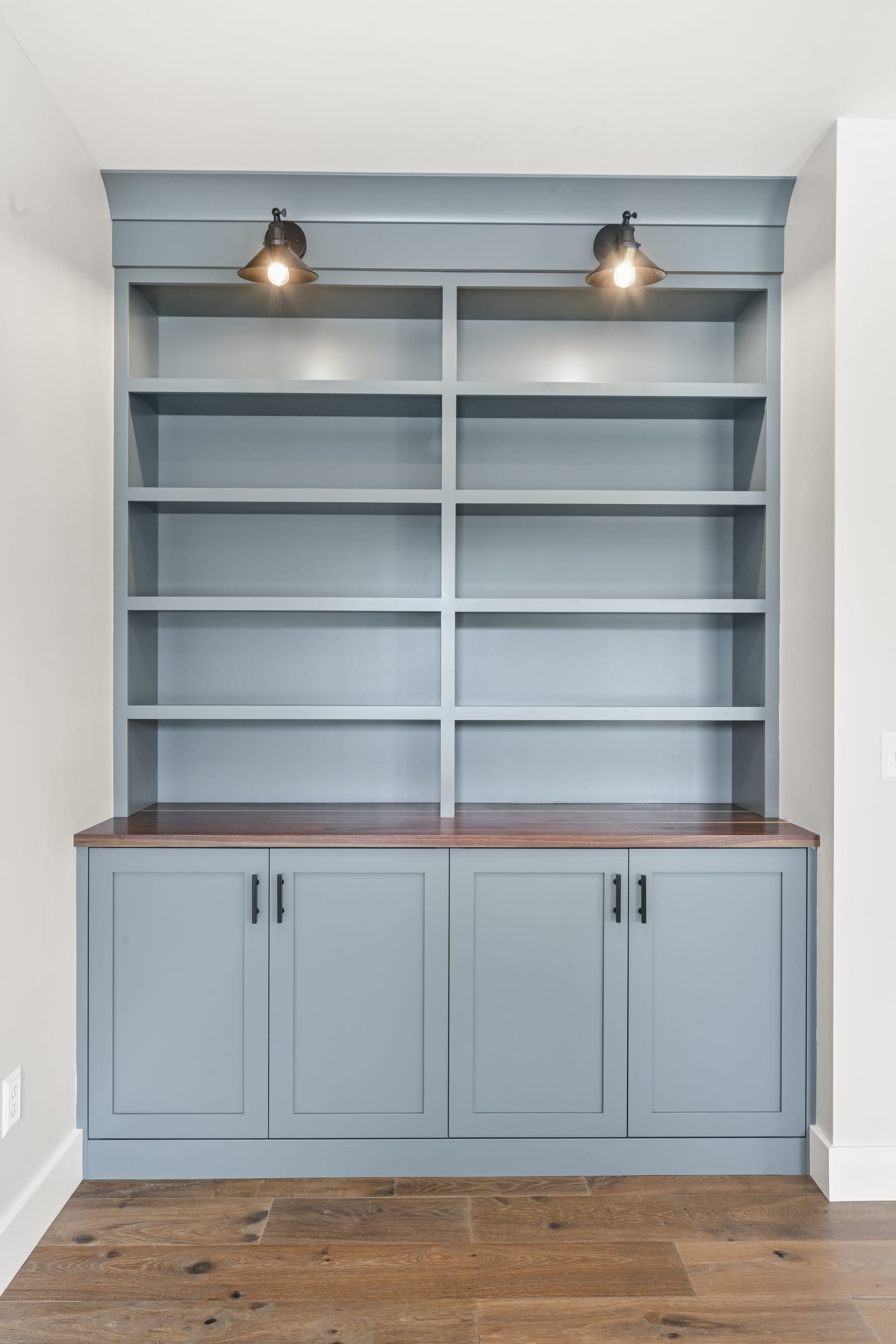
This is where the bathroom starts looking like a bathroom. The vanity goes in. The countertop gets set. The toilet, the faucets, the shower head and controls, the mirror, the lighting fixtures — everything you picked out in Step 2 finally shows up.
The order of operations here matters more than you would think. Paint before fixtures. Vanity before countertop. Countertop before plumbing trim. Lighting and electrical trim before the mirror. A contractor who sequences this well saves you dings, scratches, and do-overs.
This phase takes 3 to 7 days. The spread depends entirely on how many custom or semi-custom pieces you ordered and whether any of them arrive damaged — which happens more often than anyone would like.
Three Levels of Bathroom Remodel, Explained
Not all bathroom remodels are the same project. Here is what each tier looks like in the Cincinnati tri-state area.
New vanity, new fixtures in the same locations, new mirror and lighting, paint, and possibly a prefab shower surround. No plumbing moved. No walls opened. Great for a guest bath or powder room that needs a refresh.
Everything out to the studs. New tile shower or tub surround, new flooring, new vanity and countertop, new fixtures, new lighting, new exhaust fan. Plumbing and electrical updated. This is what most people mean when they say "bathroom remodel."
Layout changes, custom cabinetry, floor-to-ceiling tile, frameless glass shower enclosure, heated floors, freestanding tub, premium fixtures. Often part of a primary suite addition or whole-home remodel. Every detail is custom.
What Most Homeowners Miss
A few things that do not show up on the first estimate but absolutely should:
Ventilation
If your bathroom does not have a properly sized exhaust fan vented to the outside, add one. We see bathrooms in Dearborn County that were built with no fan at all — just a window. Even with a window, you need a fan to control moisture. Mold behind drywall is a much more expensive problem than a $300 exhaust fan.
Storage
Recessed medicine cabinets, niches in the shower, built-in shelving — these are small adds during rough-in that pay off every single day. The best time to think about storage is before the walls go up, not after the drywall is finished.
Aging in Place
Even if you are 40 and not thinking about it, a curbless shower entry, blocking in the walls for future grab bars, and a wider doorway are inexpensive to do now and expensive to retrofit later. If this is your forever home, these details are worth the conversation.
How to Choose the Right Contractor for Your Bathroom Remodel
A bathroom is small, but it is the most systems-intensive room in the house. Plumbing, electrical, waterproofing, ventilation, and finish carpentry all intersect in a hundred square feet. That makes the contractor choice more important here than almost anywhere else.
Look for someone who handles the full scope in-house or with a consistent crew — not a general contractor who subs out every trade to the lowest bidder. Ask to see photos of past bathroom remodels, specifically ones similar in scope to yours. Ask about their waterproofing method. Ask how they handle change orders. A contractor who cannot answer these questions clearly is not the one.
See our bathroom remodeling services for more on how we approach these projects at JDC Construction.