Staring at a floor plan and wondering whether to add on or move out? You're not alone. Home additions are one of the biggest investments a homeowner can make — and also one of the hardest to price without a contractor at your kitchen table. Here's what actually drives the number, from foundation to finishes.
Most home additions in Southeast Indiana and the Cincinnati area run $175 to $300 per square foot for finished living space. A single room addition typically costs $35,000 to $85,000. Multi-room additions and second-story builds can reach $150,000 or more. The biggest cost drivers are foundation type, how many systems (plumbing, electrical, HVAC) need extending, and finish level.
What Drives Home Addition Cost?
Six things move the number more than anything else. Understanding them now will save you from sticker shock later.
Type of Addition
Not all additions are created equal. A bump-out that extends a room by 3 or 4 feet is fundamentally different from a full second-story addition — in cost, in complexity, and in what it demands from the rest of the house.
A bump-out or cantilevered addition (extending an existing room without adding foundation) is the most affordable option, typically $80 to $150 per square foot. A ground-floor addition — a new bedroom, family room, or home office built on a new foundation — runs $150 to $250 per square foot. Second-story additions are the most expensive, usually $200 to $300 per square foot, because they involve structural reinforcement of the existing first-floor walls, stairway construction, and more complex roof tie-ins.
Size and Square Footage
Square footage gives you a rough yardstick, but the per-square-foot number is misleading on its own. Smaller additions under 200 square feet actually cost more per square foot because fixed costs — mobilization, permitting, plan review — don't scale down. A 150-square-foot bump-out might cost $125 per square foot in the Cincinnati area, while a 600-square-foot multi-room addition might come in at $195. The total is higher, but the per-square-foot rate drops as the project gets larger.
Foundation and Site Work
What's under your addition matters as much as what's above it. A simple concrete slab on grade is the most cost-effective foundation. Crawl spaces add $8 to $15 per square foot. A full basement under the addition — common in Dearborn County where many existing homes have basements — can add $25 to $50 per square foot but doubles your usable square footage. Site conditions matter too. Poor drainage, steep grades, or the need to remove trees and reroute utilities all add cost before framing even starts.
Finishes and Systems
Extending HVAC, electrical, and plumbing into the new space is often the line item homeowners underestimate most. Running ductwork from an existing furnace, adding circuits to a panel, or tying into existing water lines all require licensed trades. If your electrical panel is already at capacity, a panel upgrade adds $1,500 to $3,500. If your HVAC system can't handle the additional square footage, you're looking at a larger unit or a mini-split system for the new space.
Three Project Levels, Explained
Most addition projects fall into one of these tiers. Here's what each includes and what it costs in our market.
Extending an existing room by 3 to 8 feet, typically 50 to 150 square feet. Minimal foundation work, simple roof tie-in, and basic finish work. Good for expanding a kitchen, adding a half bath, or widening a living room.
Adding 200 to 500 square feet of finished living space — a new bedroom, family room, home office, or sunroom. Full foundation, roof tie-in, HVAC extension, electrical, and finish work. This is where most ground-floor additions land.
Adding 500 or more square feet across multiple rooms, a primary suite with bathroom, or a full second story. Significant structural and foundation work, full systems integration, stairway construction, and high-end finishes.
"The biggest mistake we see is homeowners comparing per-square-foot numbers from different types of additions. A bump-out and a second story aren't the same project. Get an itemized estimate for your specific scope."
Hidden Costs Most Homeowners Don't Expect
These are the line items that catch people off guard. Budget for them upfront and they won't derail your project.
Permits and Engineering
In Dearborn County, structural additions require building permits, and depending on the scope, you may also need separate electrical, plumbing, and mechanical permits. Plan for $800 to $3,000 in permit fees depending on the project. If your addition requires engineered drawings — which most second-story additions do — engineering fees typically add $1,500 to $5,000.
Material Volatility
Lumber, concrete, copper, and steel prices have been less predictable in 2026 than they were a decade ago. Tariff changes and supply chain disruptions can move material costs 5 to 15 percent between the estimate and the purchase order. A good contractor will flag this upfront and build some buffer into the number rather than surprising you with a change order later.
HVAC and Electrical Panel Upgrades
Adding conditioned square footage means your existing systems need to keep up. If your furnace is sized for 2,000 square feet and you're adding 400, it may not handle the load. A panel upgrade, a larger HVAC unit, or a ductless mini-split for the addition can add thousands — and it's better to know before the drywall goes up.
Site Preparation
Tree removal, grading, drainage correction, and rerouting utilities don't show up in per-square-foot calculators. But on a sloped lot in the hills around Lawrenceburg, they can add $3,000 to $8,000 before a foundation is poured.
What We See on Projects in Southeast Indiana
Most home additions we complete in Lawrenceburg, Aurora, and the greater Cincinnati tri-state area fall between $40,000 and $100,000. A well-planned ground-floor addition — a family room or primary bedroom suite with semi-custom finishes — typically lands in the middle of that window.
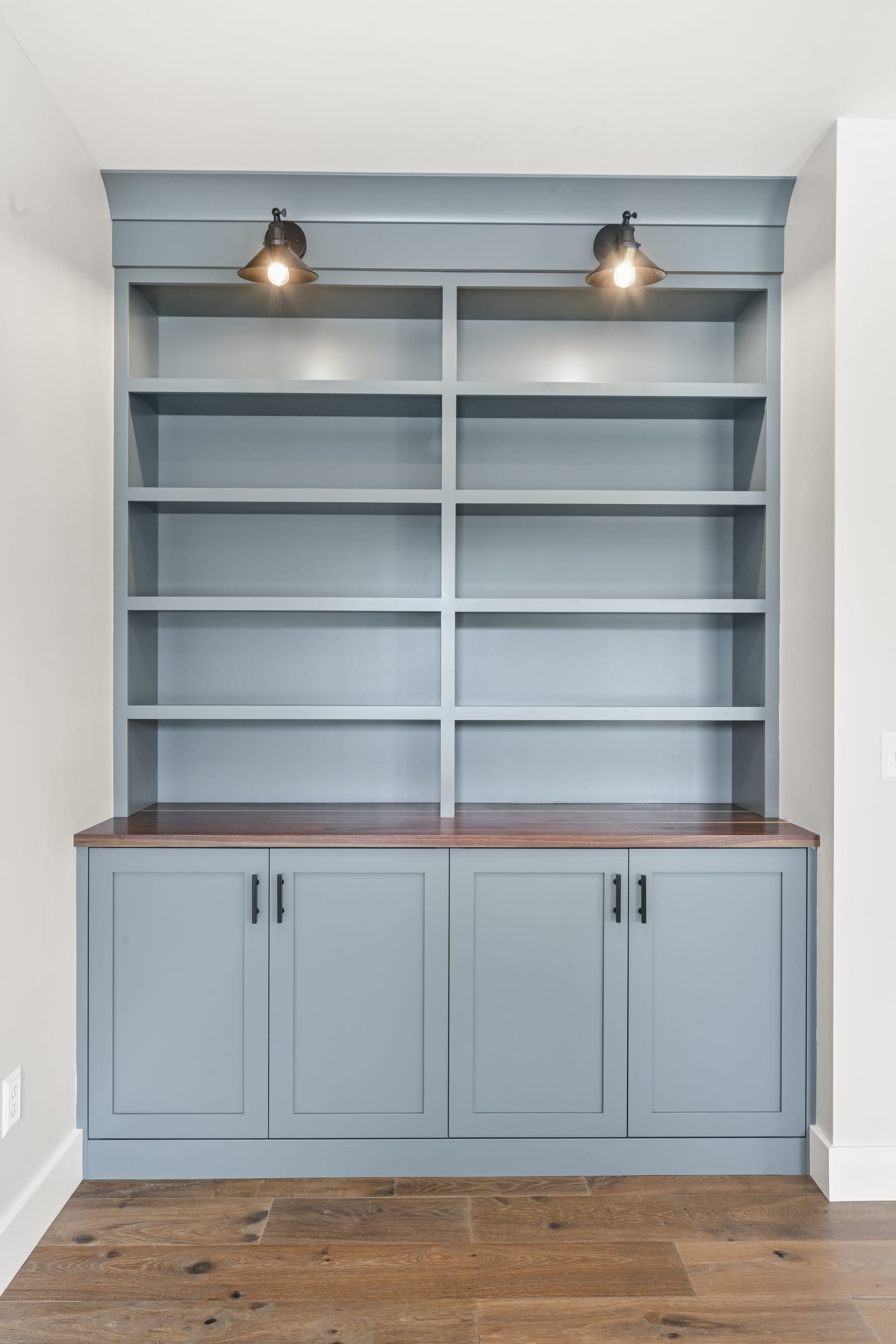
Projects on the higher end usually involve custom millwork, premium flooring, or bathroom additions where plumbing rough-ins add complexity. Projects on the lower end are often bump-outs or simple room extensions where the existing systems can handle the load without upgrades.
Every estimate we give is itemized. You'll know exactly where the money is going — excavation, foundation, framing, systems, finishes — before you sign anything.
How to Get the Most from Your Budget
- Keep the addition simple in shape. Every corner, bump-out, and roofline change adds framing complexity and cost. A rectangular addition is more affordable to build and easier to finish well.
- Match existing finishes, don't upgrade. If your current home has mid-grade trim and flooring, matching those finishes in the addition keeps the budget in check. Upgrading the addition to higher-end finishes than the rest of the house rarely pays off.
- Plan for systems work early. Have your contractor assess the HVAC and electrical panel during the estimate phase, not after framing. Surprises here are expensive.
- Lock in selections before the foundation is poured. Windows, flooring, fixtures, paint — every decision you delay once work is underway adds cost and time. A change order for a window swap after rough-in is far more expensive than choosing the right window up front.
- Budget 15 to 20 percent for contingency. Even well-planned additions uncover surprises — a drain line in an unexpected place, a soil condition that needs correction. A contingency keeps those discoveries from becoming crises.
Is an Addition Worth It?
Honestly, it depends on why you're doing it. If you love your neighborhood, your lot, and your schools — and the only problem is square footage — an addition almost always beats moving. You avoid real estate commissions, moving costs, and the disruption of leaving a home you've invested in.
If you're adding space purely for resale value, the math is harder. A well-executed addition in Southeast Indiana typically recoups 55 to 75 percent of its cost at resale. That's a meaningful return, but it's not dollar-for-dollar. The real return is in the years you get to live in the space the way you want it.
See our home addition services, or reach out to talk through your project.